
What Are Dental Veneers?
Dental veneers are thin, custom-designed shells made of porcelain or composite materials that are applied to the front surfaces of the teeth. These veneers are used to improve the color, shape, size, and overall appearance of the teeth. Dental veneers are a widely used treatment option in cosmetic dentistry and can help patients achieve a natural, healthy, and attractive smile.
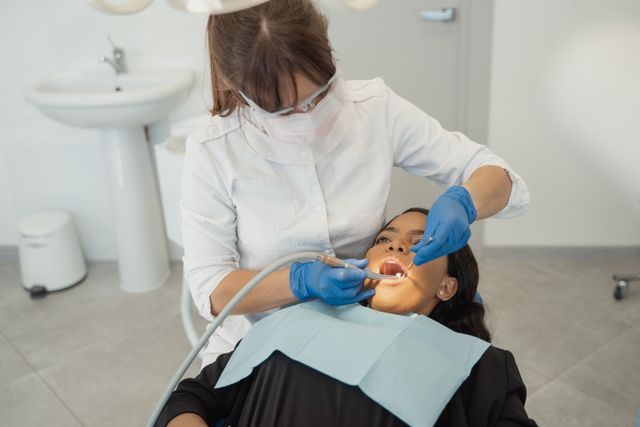
How Are Dental Veneers Applied?
The application of dental veneers generally involves several steps:
Examination and Planning: The first step is a consultation with a dentist to discuss the patient's wishes, concerns, and aesthetic goals. The dentist examines the patient's oral structure and teeth to create a suitable treatment plan.
Preparation: Before the veneers are applied, a thin layer of enamel is removed from the front surfaces of the teeth. This ensures the veneer fits correctly and prevents the teeth from appearing too bulky. Next, the dentist takes impressions of the patient's teeth and sends them to a dental laboratory, where the veneers are custom-designed.
Temporary Veneers: While the permanent veneers are being fabricated, the patient's teeth are protected with temporary veneers. These provide temporary coverage until the final veneers are ready.
Placement: Once the veneers are ready, the dentist places them on the patient's teeth to check the fit. Final adjustments are made regarding the shape, size, and color of the veneers before they are permanently bonded in place.
Advantages of Dental Veneers
Aesthetic Appearance: Dental veneers offer an appearance that closely resembles natural teeth. Their color, shape, and size can be custom-designed to meet the patient's aesthetic expectations. Color Stability: Porcelain laminate veneers exhibit less discoloration compared to natural teeth. This ensures long-term color stability and allows the smile to remain white for a longer period.
Durability: Porcelain laminate veneers are more durable than composite veneers and carry a lower risk of cracking or staining.
Tissue Compatibility: Laminate veneers can be placed in harmony with the gums, thereby ensuring a natural appearance and preserving gum health.
Care and Durability of Laminate Veneers
Caring for laminate veneers involves regular brushing, flossing, and routine dental check-ups. Additionally, to enhance the durability of the veneers, one should avoid hard foods and refrain from subjecting the teeth to excessive stress or misuse.
Laminate veneers are a widely used treatment option in cosmetic dentistry. Thanks to advantages such as a natural appearance, color stability, durability, and tissue compatibility, they can boost patients' confidence and help them achieve a healthy, attractive smile.